Vaccines are one of the most life-saving medical advances in history. Vaccination prevents many infectious diseases that once killed and disabled, reducing severe illness, hospitalisation, and death in both children and adults. It is therefore one of the most worthwhile investments you can make in your health.
How do vaccines work?
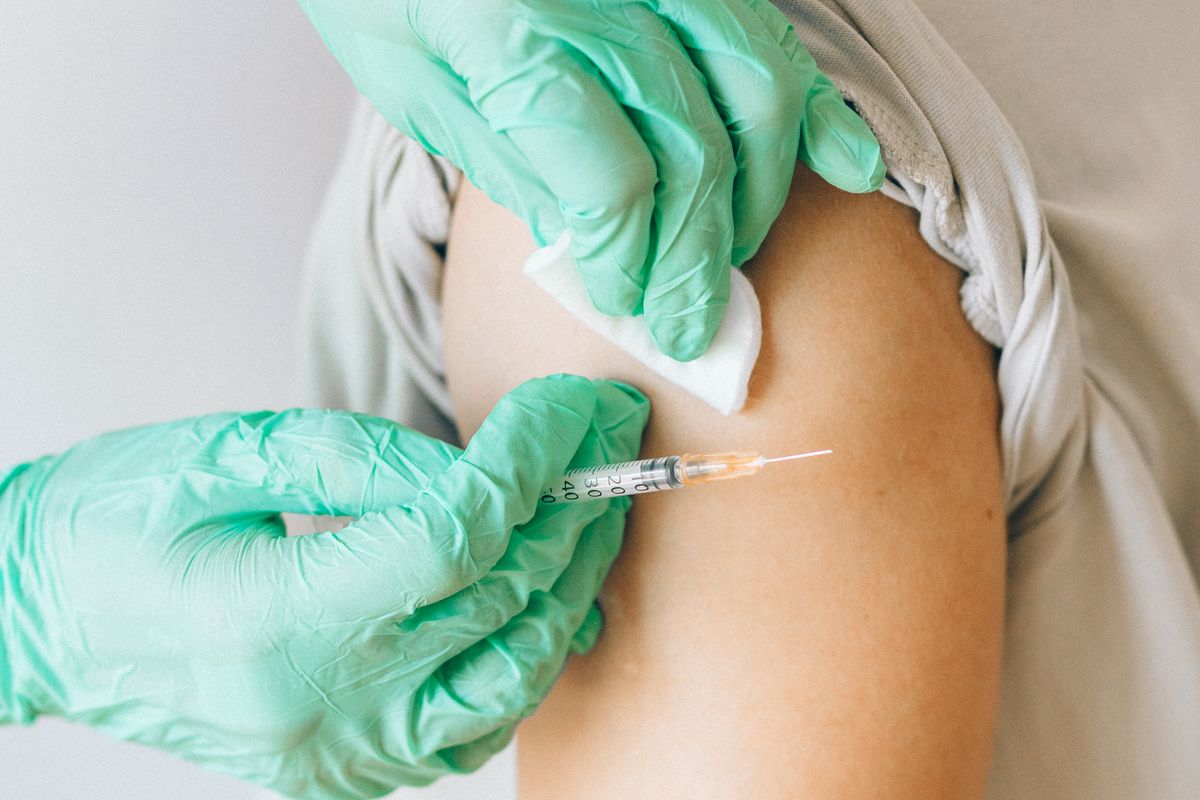
Vaccines work by prompting the immune system to "remember" a pathogen, by introducing a non-disease-causing part of it (such as a weakened or killed germ, or just part of the germ) into the body. This makes the body build immunity in advance without actually being ill. When you are later exposed to the real germ, your body can fight it faster and more effectively, reducing the chance of severe illness.
Herd immunity
When enough people in a community are vaccinated and have immunity, the germ has a harder time spreading, which helps protect those who cannot be vaccinated — such as infants who are too young, people with weakened immunity, or certain patients. When we get vaccinated, we not only protect ourselves, but also help protect those around us and the wider community.
Important vaccines for children
Children should receive vaccines on schedule according to the national immunisation programme (EPI), which covers important diseases such as tuberculosis, hepatitis B, diphtheria-pertussis-tetanus, polio, measles-rubella-mumps, and others. In addition, there are optional vaccines recommended on top of this as the doctor advises, such as the influenza vaccine and the vaccine to prevent pneumonia. Getting them all on schedule is a fundamental way to protect your child.
Vaccines for adults and the elderly
Many people think vaccines are only needed in childhood, but in fact adults and the elderly should be vaccinated too, because the immunity gained in childhood declines over time, and the risk of severe complications rises with age. Vaccines to consider include:
- Influenza — recommended once a year, because the strains change every year
- Tetanus-diphtheria — a booster every 10 years
- Dengue — for those in high-risk areas, as the doctor advises
- HPV — protects against cervical cancer and related cancers
- Pneumococcal (pneumonia) — important for the elderly and those with underlying conditions
- Shingles — recommended for the elderly to reduce the risk and severity of the disease
Vaccines at Doctor Chat Clinic
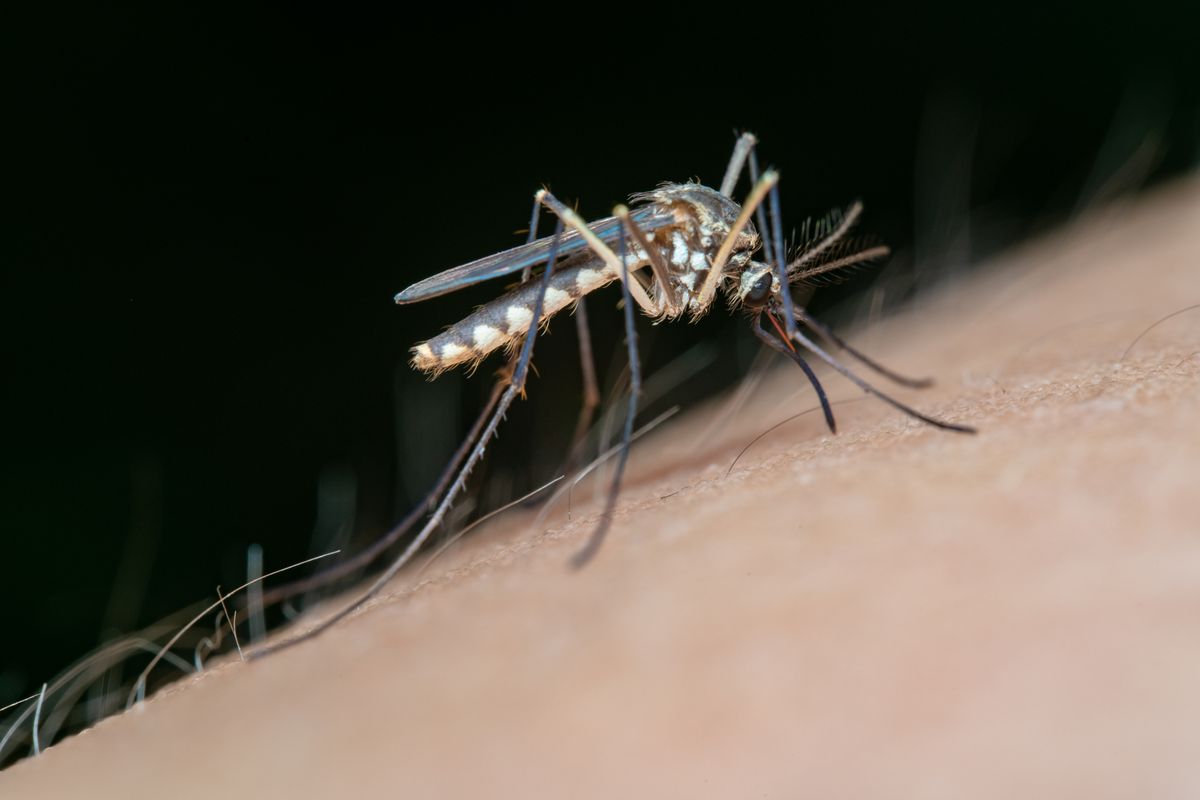
We offer a range of vaccinations, given by a doctor — such as the influenza vaccine, dengue vaccine (2 doses), cervical cancer (HPV) vaccine, and more. Ask and book an appointment at 094-991-5369, or see more details on the health packages page.
Myths about vaccines
Mistaken beliefs make many people hesitate to be vaccinated. Let's look at the facts.
- "A vaccine will give you that disease" — Not true. Most vaccines are not live disease-causing germs, so they do not cause the disease they protect against. Mild symptoms after a vaccination are simply the immune system's reaction, not catching the disease.
- "I'm already healthy, so I don't need it" — Some diseases can be severe in anyone, even the healthy, and a patient can still spread the infection to others who are more vulnerable.
- "The side effects are always dangerous" — Severe side effects are very rare. Most are mild and resolve on their own. The benefits of vaccines clearly outweigh the risks.
Possible side effects and how to manage them
Most vaccine side effects are mild and resolve on their own, such as pain, redness and swelling at the injection site, a low-grade fever, or body aches for about 1–2 days. They can be managed with a cold compress, plenty of rest, and drinking plenty of water.
Seek medical care immediately if you have a severe allergic reaction
- Difficulty breathing, chest tightness, or wheezing
- Swelling of the face, lips, tongue, or throat
- Hives all over the body, palpitations, or faintness and fainting