
Young children have an immune system that is not yet fully developed, and they often spend time together in daycare centres or schools, so they fall ill more easily and more often than adults. The good news is that most childhood illnesses are not serious and resolve on their own. If parents understand the symptoms and provide care the right way, it helps the child recover faster and reduces the risk of complications.
Seek medical care immediately if your child has these symptoms
- An infant under 3 months with a fever of 38°C or higher
- Very lethargic, hard to wake, refusing milk/water, or clearly passing less urine
- Rapid or laboured breathing, indrawing below the ribs, blue lips
- Seizure, a rash with blood spots that does not fade when pressed, vomiting/passing blood
- High fever lasting more than 2–3 days, or unusual, noticeably abnormal fussiness
1) Fever
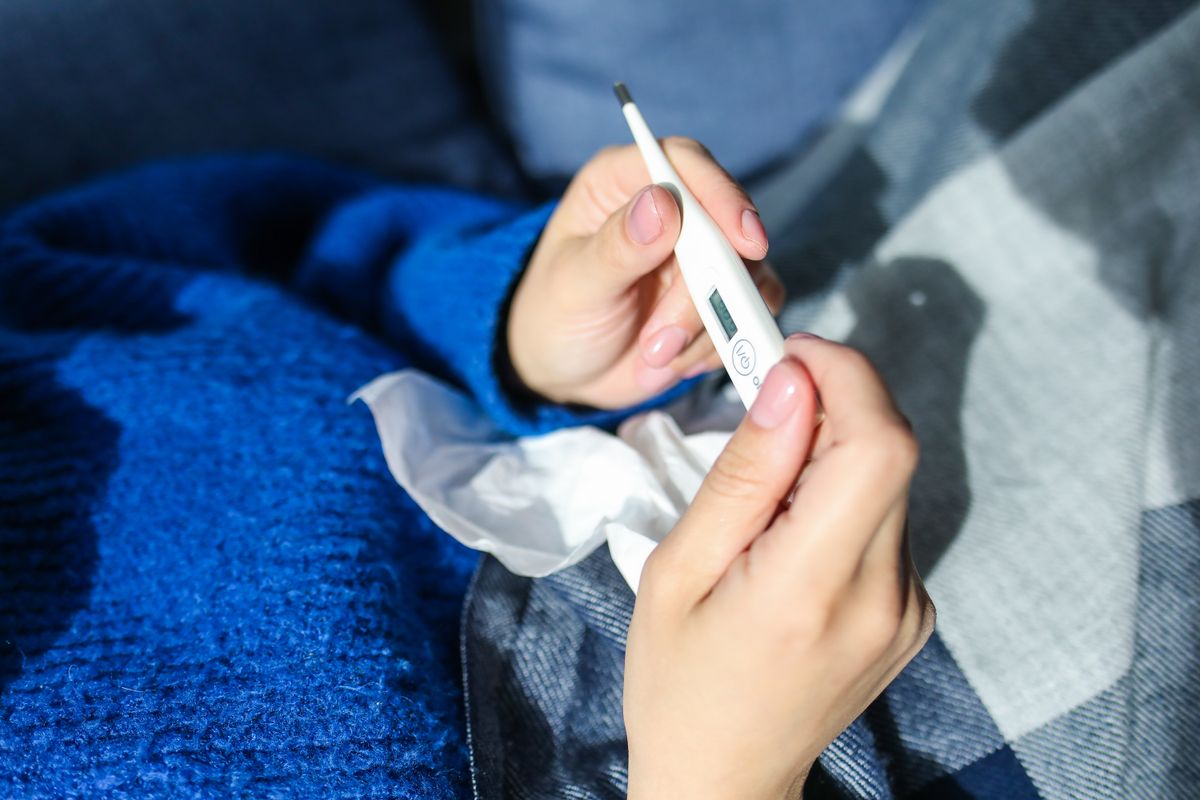
Fever is not a disease but a sign that the body is fighting an infection. It is considered a fever when the body temperature is 37.5°C or higher. The important thing is to watch your child's "overall condition" rather than the number on the thermometer.
- Have your child drink water often, rest enough, and wear light, comfortable clothing.
- Sponge with room-temperature water (not very cold water) around the neck creases, armpits, and groin.
- Give paracetamol antipyretic by body weight and at appropriate intervals — consult a doctor or pharmacist about the dose.
2) Common cold and cough
Caused by viruses, with a runny nose, cough, sneezing, and sore throat, it usually resolves on its own in 7–10 days. Most cases do not need antibiotics. Care focuses on relieving symptoms — for example rinsing the nose with saline, drinking warm water, and resting. If the cough is so bad it makes breathing difficult, a high fever returns, or the cough lasts more than 2 weeks, see a doctor.
3) Diarrhoea
Frequent loose stools from a viral or bacterial infection. The main danger is "dehydration", so give oral rehydration solution (ORS) in small sips frequently, and continue feeding soft, easily digested food.
- Give ORS in small sips frequently; never withhold fluids and food
- Watch for dehydration: dry mouth, sunken eyes, little urine, crying without tears
- If stools contain mucus and blood, or the child is very lethargic, see a doctor promptly
4) Hand-foot-mouth disease
Common in children under 5, caused by viruses in the enterovirus group, with fever, blisters or sores in the mouth, and spots on the palms and soles. It usually resolves on its own in 7–10 days. Watch out for poor intake leading to dehydration, and keep a sick child away from other children until they have fully recovered to reduce the spread.
5) Skin rash
Rashes in children have many causes, from heat rash and atopic dermatitis to rashes from infectious diseases such as chickenpox or measles. Initial care is to keep the area clean, wear breathable clothing, and avoid scratching. If the rash comes with a fever, spreads quickly, or has blood spots, see a doctor for a diagnosis.
Preventable with simple basics
Washing hands often with soap, vaccinating on schedule, resting and eating a balanced diet, and taking your child for age-appropriate check-ups all greatly reduce both the frequency and severity of illness.