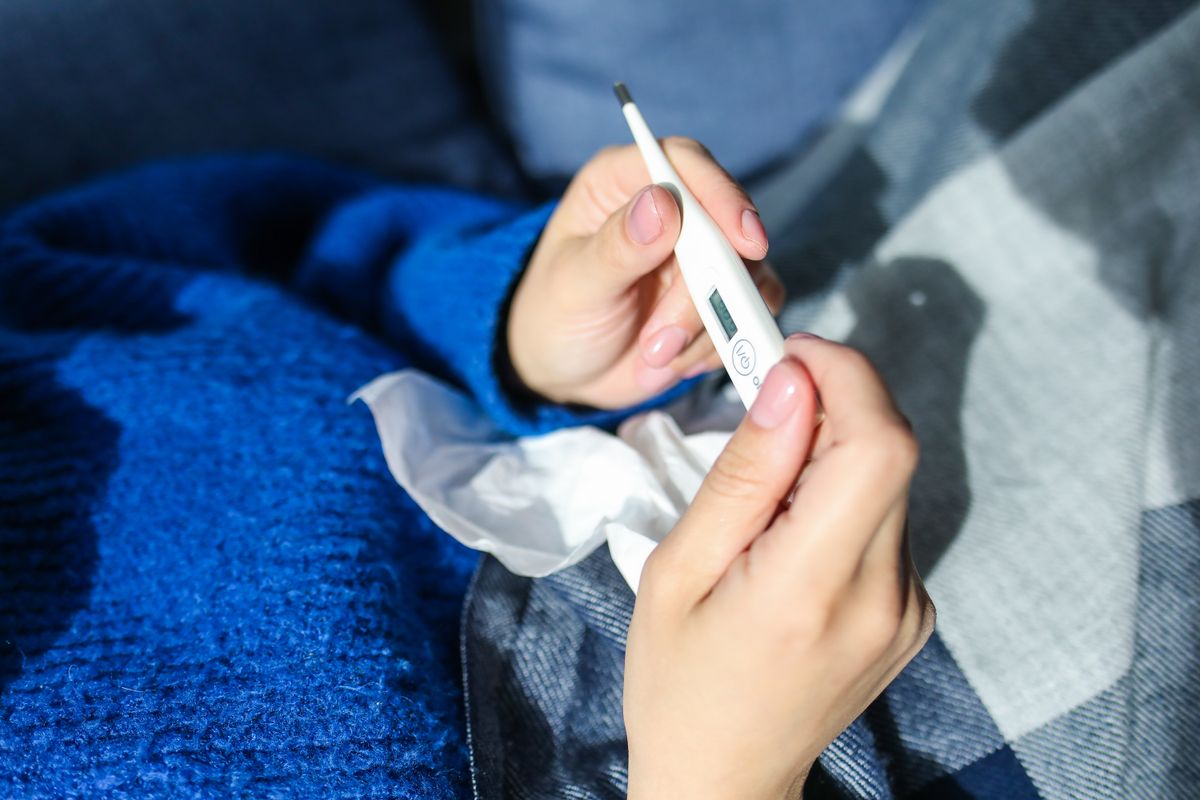
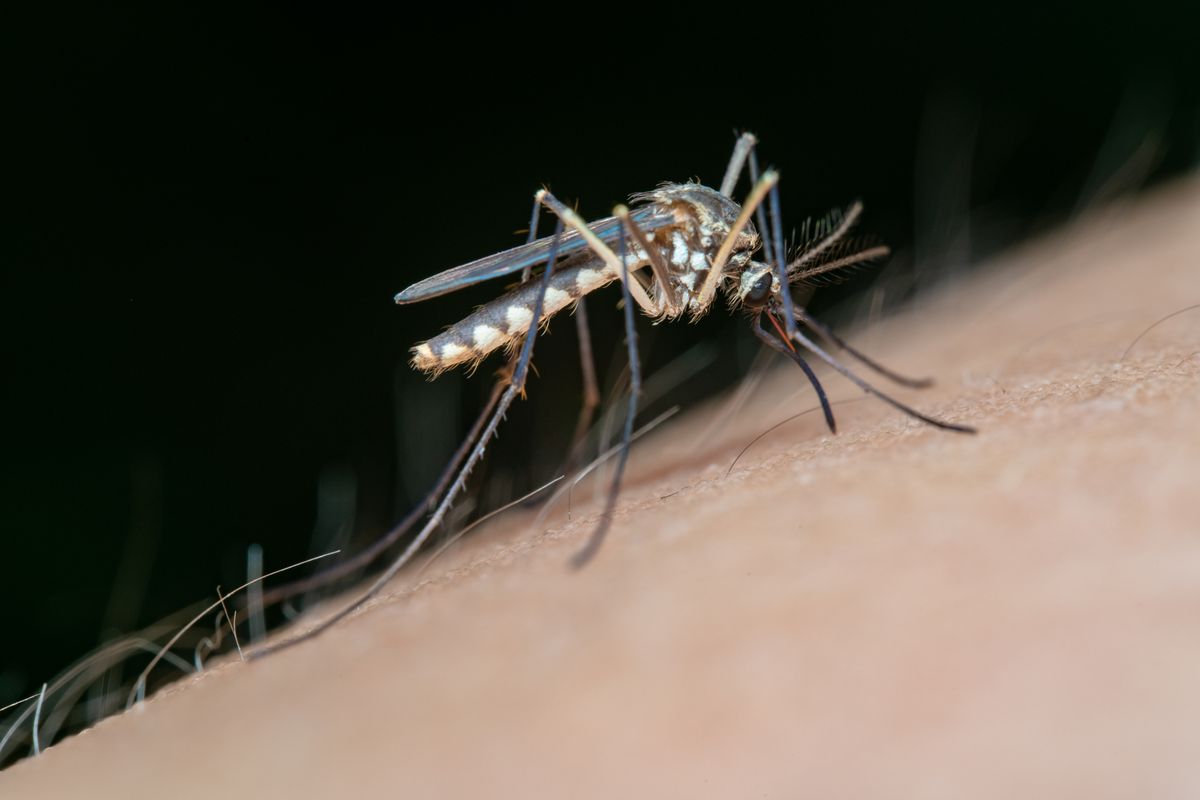
Dengue fever is caused by infection with the dengue virus, which is carried by the "Aedes mosquito". It can affect people of any sex and age and spreads widely in the rainy season, when mosquitoes breed easily — especially in border areas such as Aranyaprathet, where there is a great deal of travel and standing water in containers. Most cases recover on their own, but some progress to a dangerous critical phase that can be life-threatening, so recognising the symptoms is very important.
Causes and transmission
Dengue fever is caused by the dengue virus (DENV), which has four serotypes (DENV-1 to DENV-4). When an infected female Aedes mosquito bites a person, the virus spreads into the body.
- The main carrier is the Aedes aegypti mosquito, which usually bites during the daytime, especially in the morning and before dusk.
- The Aedes mosquito likes to breed in "clear standing water" such as water in vases, plant-pot saucers, old tyres and uncovered containers.
- The disease does not pass directly from person to person; it is transmitted when a mosquito bites a patient and then bites someone else.
The 3 phases of dengue fever
Dengue fever progresses through three phases. The phase that needs the closest watch is the "critical phase", which usually occurs as the fever is about to subside, leading many people to mistakenly believe they are getting better.
- Febrile phase (2–7 days): a sudden, sustained high fever that often does not respond well to fever-reducing medicine, together with aches, loss of appetite and nausea.
- Critical phase (the 24–48 hours as the fever begins to fall): the fever begins to subside but the patient instead deteriorates — this is the most dangerous period, with possible plasma leakage, low blood pressure, shock and abnormal bleeding. The patient must be watched very closely.
- Recovery phase: after the critical phase has passed, symptoms gradually improve, appetite returns, urine output increases, and an itchy red rash may appear on the body during recovery.
Symptoms
In the early stage the symptoms of dengue fever resemble an ordinary cold, but there is usually a higher, sustained fever and more aching. Watch for the following symptoms.
- Sudden high fever of 38.5–40°C for several days in a row
- Headache and pain behind the eyes
- Aching of the bones and muscles all over the body
- Loss of appetite, nausea and vomiting
- Flushed face, reddened skin, and possibly a red rash on the trunk and limbs
Critical-phase warning signs — go to hospital immediately
- The fever falls but the condition worsens, with unusually severe fatigue
- Severe abdominal pain, especially below the right rib cage
- Persistent vomiting; unable to eat or drink
- Bleeding: nosebleeds, bleeding gums, bleeding spots on the skin, vomiting or passing black stools
- Restlessness, drowsiness, cold hands and feet, reduced or no urine output
Care when dengue fever is suspected
If dengue fever is suspected, correct care can greatly reduce the risk of complications. The key principles are as follows.
- Reduce fever with paracetamol only, at the appropriate dose
- Do not use NSAIDs, aspirin or ibuprofen, because they increase the risk of bleeding
- Drink oral rehydration salts (ORS) and clean water often to prevent dehydration
- Sponge the body to bring down the fever, and get plenty of rest
- See a doctor for a blood test (CBC) and close monitoring of your symptoms
Prevention
The best way to prevent dengue fever is to break the Aedes mosquito's life cycle and avoid being bitten. You can do this yourself at home and in the community.
- Eliminate mosquito breeding sites: turn over containers you are not using, change the water in vases and plant-pot saucers every week, and seal water-storage containers tightly.
- Get rid of mosquito larvae, for example by adding larvicide sand or keeping larvae-eating fish in standing water.
- Prevent mosquito bites: apply mosquito repellent, sleep under a net, wear long-sleeved tops and long trousers, and fit insect screens.
Dengue vaccine
A dengue vaccine is now available that helps reduce the risk and severity of the disease. At Doctor Chat Clinic a dengue vaccine is available as a 2-dose course. Its suitability depends on your age and history of infection, so you should discuss the requirements with a doctor before vaccination.