
Many people think shingles is a new disease caught from outside, but in fact its cause is the same virus we first met in childhood. Shingles can therefore occur in almost anyone who has had chickenpox, especially as we get older and immunity begins to wane.
Understanding shingles: an old virus that hides and reactivates
Shingles (Herpes Zoster) is caused by the same virus as chickenpox — the varicella-zoster virus (VZV). After you recover from chickenpox, the virus does not disappear entirely but lies dormant in the nerve ganglia. When the body's immunity declines — from ageing, stress, lack of rest, or an underlying condition — the virus reactivates, travels out along the nerves, and causes symptoms.
Symptoms of shingles
Symptoms often begin with a burning, itching or tingling sensation on the skin before the rash appears. Then a red rash and clear fluid-filled blisters develop, lined up along a nerve, usually on just one side of the body — such as the trunk, back or face.
- Burning pain or skin tingling 1–3 days before the rash appears
- A red rash and clear blisters lined up along a nerve, usually on one side
- The blisters break, crust over, and gradually heal within about 2–4 weeks
- There may also be a low-grade fever, fatigue and headache
A complication to watch for: chronic nerve pain (PHN)
The most common and most distressing complication is "post-herpetic neuralgia" (PHN) — pain that persists even after the rash has gone. It can burn or feel like an electric shock, lasting for months or years, and becomes more common and more severe with age, especially in older adults. Vaccination helps reduce both the chance of shingles and the risk of this condition.
Prevention and the shingles vaccine
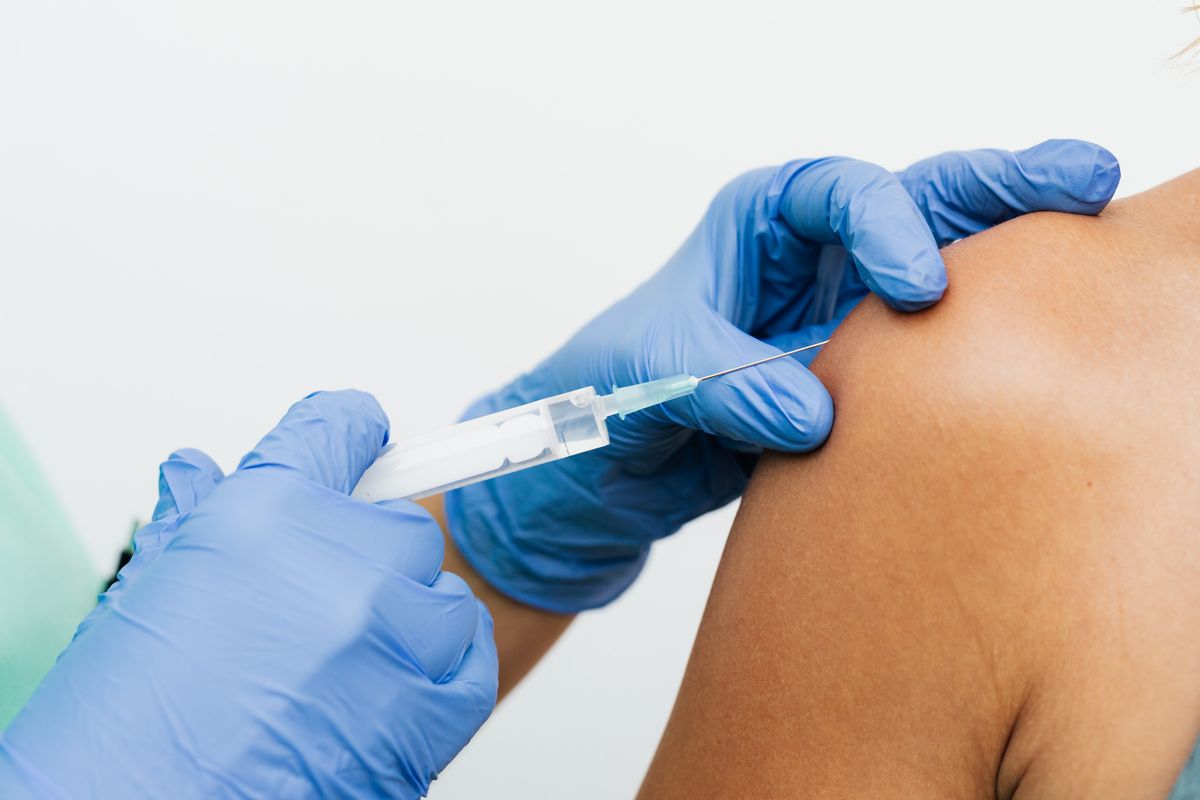
The most effective way to prevent it is the shingles vaccine, which boosts immunity against the VZV virus, reduces the chance of the virus reactivating, and — if shingles does occur — tends to make symptoms milder and lowers the risk of chronic nerve pain. In addition, basic self-care such as getting enough rest, managing stress and controlling underlying conditions also helps keep immunity strong.
- The vaccine reduces both the chance of shingles and the severity of chronic pain
- Recommended for adults aged 50 and over, and those with weakened immunity
- You can still have it even if you have had shingles, because it can recur
Who should have the shingles vaccine
The clear beneficiaries are older adults and those whose immunity is not strong, because they are at risk both of getting the disease and of severe complications.
- Adults aged 50 and over who want to reduce the risk of the disease and of chronic pain
- People with weakened immunity, such as patients with poorly controlled diabetes, or those on immunosuppressive medicines (consult a doctor first)
- People who have had shingles before and want to reduce the chance of a recurrence
At Doctor Chat Clinic, vaccines are given by a doctor, with an assessment of suitability for each individual. Every vaccine is stored in a hospital-grade temperature-controlled cold chain to keep its effectiveness and safety at the highest level.
When to see a doctor promptly
- Shingles on the face, around the eye, or on the tip of the nose, because it may affect the eye and vision — see a doctor immediately
- A rash that spreads widely, appears in several places, or has unusually severe symptoms
- High fever, severe headache, stiff neck, or confusion
- Pain that remains severe even as the rash starts to heal — see a doctor to manage the nerve pain