
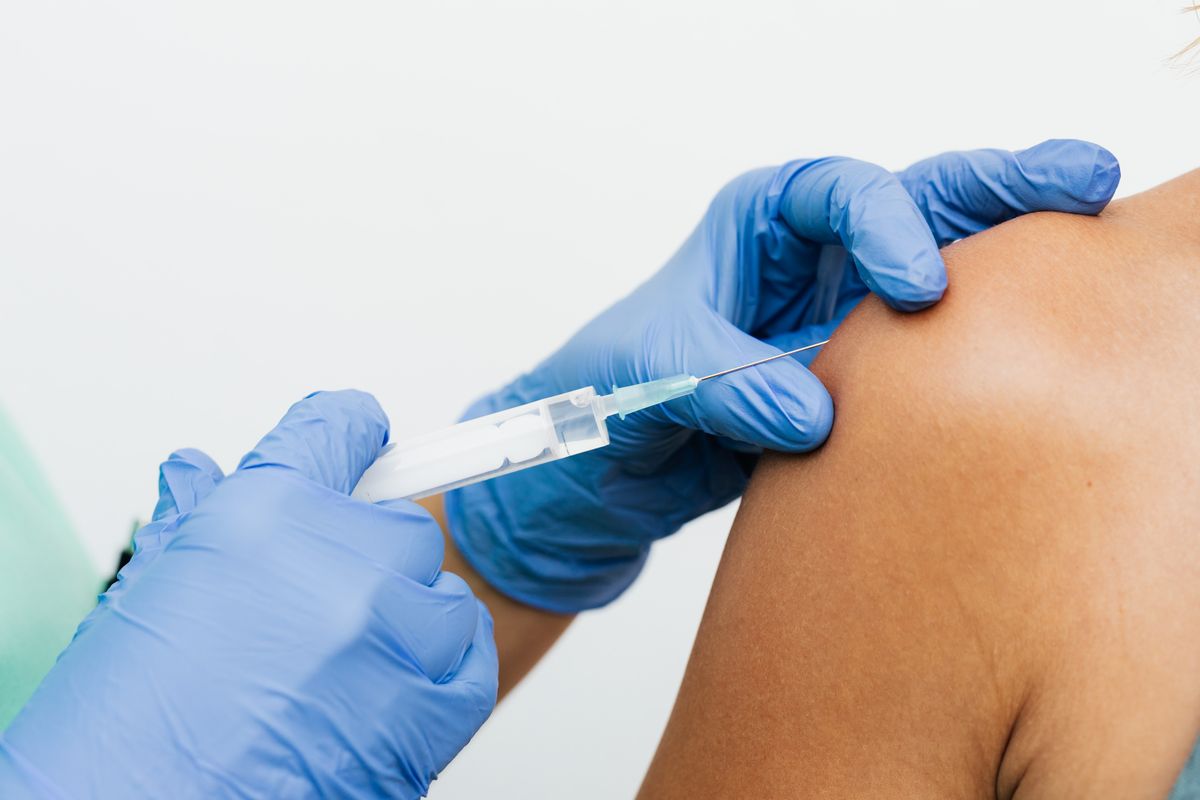
Pneumococcus (Streptococcus pneumoniae) is a bacterium commonly found in the nose and throat of healthy people without causing symptoms. But in some people, especially those at risk, the bacteria can spread and cause severe disease. The pneumococcal vaccine is therefore an important tool for preventing these potentially life-threatening illnesses.
What diseases can pneumococcus cause?
This bacterium can cause disease at several levels — from middle-ear and sinus infections to the severe diseases collectively called IPD (Invasive Pneumococcal Disease), meaning infection in sites that are normally sterile, including:
- Pneumonia, which can be severe enough to require hospital admission
- Bloodstream infection (sepsis), which can be life-threatening
- Meningitis, which may leave long-term complications
What the vaccine does
The pneumococcal vaccine helps reduce the risk of severe pneumococcal disease and lowers the rates of hospital admission and complications — especially in young children, older adults and people with underlying conditions, who tend to develop more severe illness if infected.
High-risk groups who should be vaccinated
- Young children under 2 years old, whose immune systems are not yet fully developed
- Older adults aged 65 and over
- People with chronic conditions such as diabetes, heart disease, lung disease, kidney disease and liver disease
- People with weakened immunity, or those without a spleen / with impaired spleen function
How many types of pneumococcal vaccine are there?
The vaccines used to prevent pneumococcus fall into two main groups, which cover different strains and suit different age groups.
- Conjugate type (PCV) stimulates immunity well and can be used from early childhood. It is the main vaccine in children and is recommended for adults in many at-risk situations.
- Polysaccharide type (PPSV23) covers a broad range of strains and is mainly used in adults and older people. It is sometimes used together with PCV, in the order the doctor sets.
The choice of type, order and interval between doses depends on each person's age and underlying conditions, so a doctor should assess it to plan the most appropriate vaccination.
At Doctor Chat Clinic, vaccines are given by a doctor and stored in a hospital-grade temperature-controlled cold chain, so they retain their effectiveness and safety. We also assess whether you or your family members should be vaccinated, with which type and when.
Signs of severe pneumonia — see a doctor immediately
- Rapid breathing, breathlessness, or difficulty breathing
- High fever and chills together with a cough with phlegm
- Chest pain when breathing or coughing
- Drowsiness, confusion, difficulty waking, or bluish lips and nails