
RSV (Respiratory Syncytial Virus) is a virus that causes infections of the respiratory tract. It can occur at any age but tends to spread most in the late-rainy to early-cold season. What parents should know is that in adults and older children RSV usually causes mild, cold-like symptoms that resolve on their own, but in infants and young children the virus may spread down to the bronchioles and lungs, causing difficulty breathing and becoming dangerous.
What is RSV and how does it spread
RSV is a virus that spreads easily through droplets from a sick person's coughs and sneezes, and through contact with secretions such as nasal mucus and saliva, or shared items such as toys, cups and handkerchiefs. When the hands become contaminated and then touch the nose or mouth, infection can occur, so it spreads quickly in homes, childcare centres and kindergartens.
Symptoms of RSV
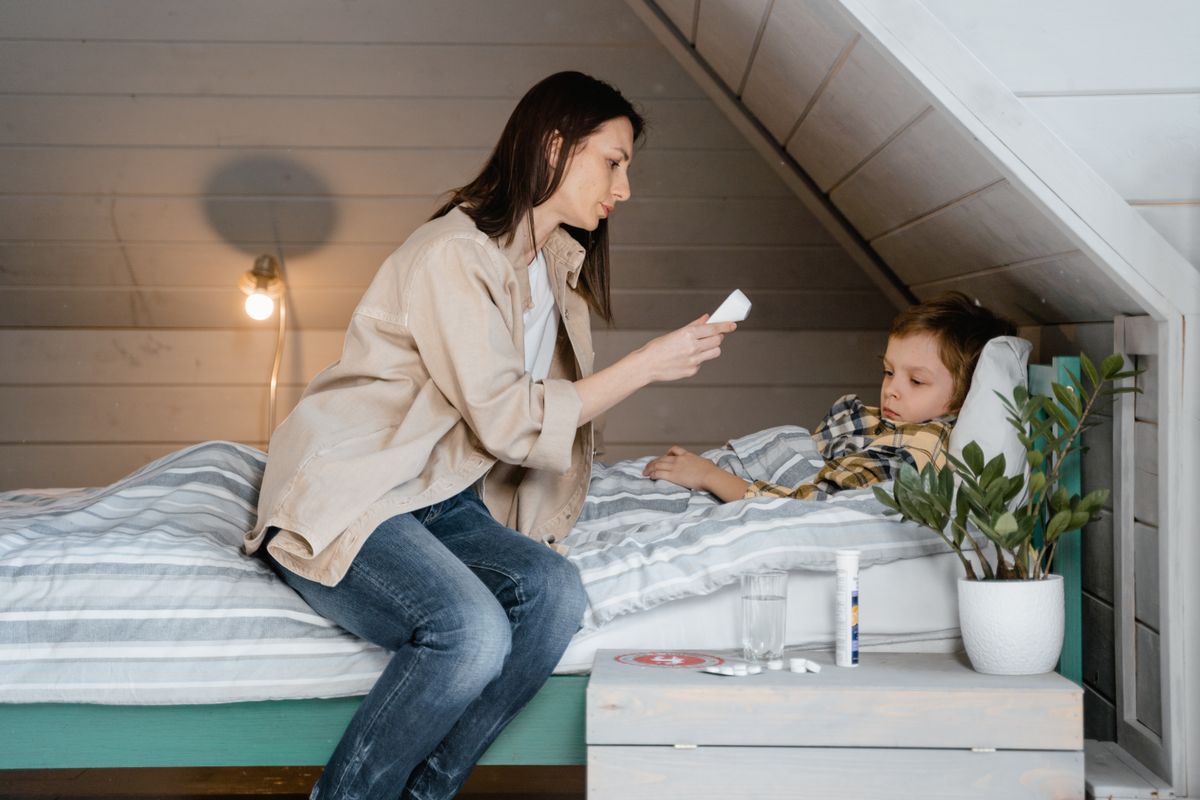
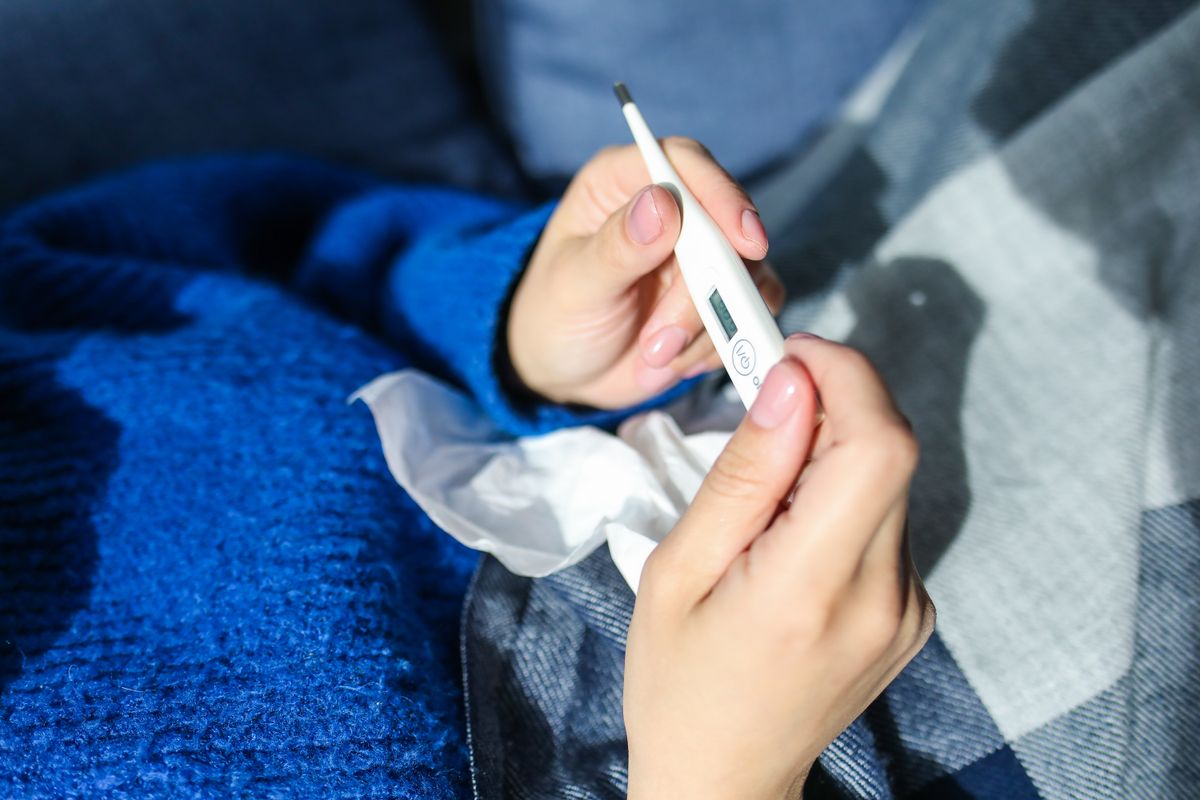
Early symptoms usually start like a common cold — a runny nose, cough, sneezing and a low-grade fever. Then, in some young children, the virus may spread down to the bronchioles and lungs, causing more coughing, fast breathing, wheezing, and laboured breathing — which are signs that the child should see a doctor.
How RSV differs from a common cold
Although the early symptoms are very similar, there are important differences parents should watch for.
- A common cold usually stays in the upper respiratory tract (nose, throat) and does not reach the lungs, resolving on its own in 7–10 days.
- RSV in young children can cause difficulty breathing, bronchiolitis or pneumonia, which are more severe and may require hospital admission.
Who is at risk
Anyone can catch RSV, but the following groups have a higher chance of severe symptoms and so need special vigilance.
- Infants under 2 years, especially those younger than 6 months
- Children born prematurely
- Children with chronic heart or lung disease
- Children with weakened immune systems
Warning signs — see a doctor immediately
- Fast or laboured breathing, the chest sinking in below the ribs, or the nostrils flaring while breathing
- Bluish lips or nails
- Refusing to drink milk, or feeding very little
- Drowsiness, hard to wake, or poorly responsive
- Signs of dehydration, such as clearly reduced urination
Care and treatment
There is currently no specific antiviral medicine for RSV in the general population, so treatment focuses on supportive care to make the child more comfortable and help them through the illness.
- Rinse the nose with saline and suction the mucus to help breathing
- Give milk or fluids often, a little at a time, to prevent dehydration
- Make sure the child gets enough rest
- Reduce fever with paracetamol according to body weight and the doctor's advice
In severe cases, such as laboured breathing or low blood oxygen, the doctor may consider giving oxygen or admitting the child to hospital.
Prevention
The best prevention is to reduce the chance of contact with the virus, especially in homes with young children or at-risk people.
- Wash hands often with soap, both carers and everyone in the household
- Avoid taking young children into crowded places, especially during an outbreak
- Avoid cigarette smoke, which weakens a child's airways
- Do not let anyone who is unwell come close to, kiss, or touch a young child
Antibodies and vaccines help protect certain groups
There are now ready-made antibodies and vaccines to protect against RSV for some high-risk groups. You should consult a doctor about what is suitable for your child, and bring your child to the clinic when they have respiratory symptoms so they can be assessed and cared for appropriately.