
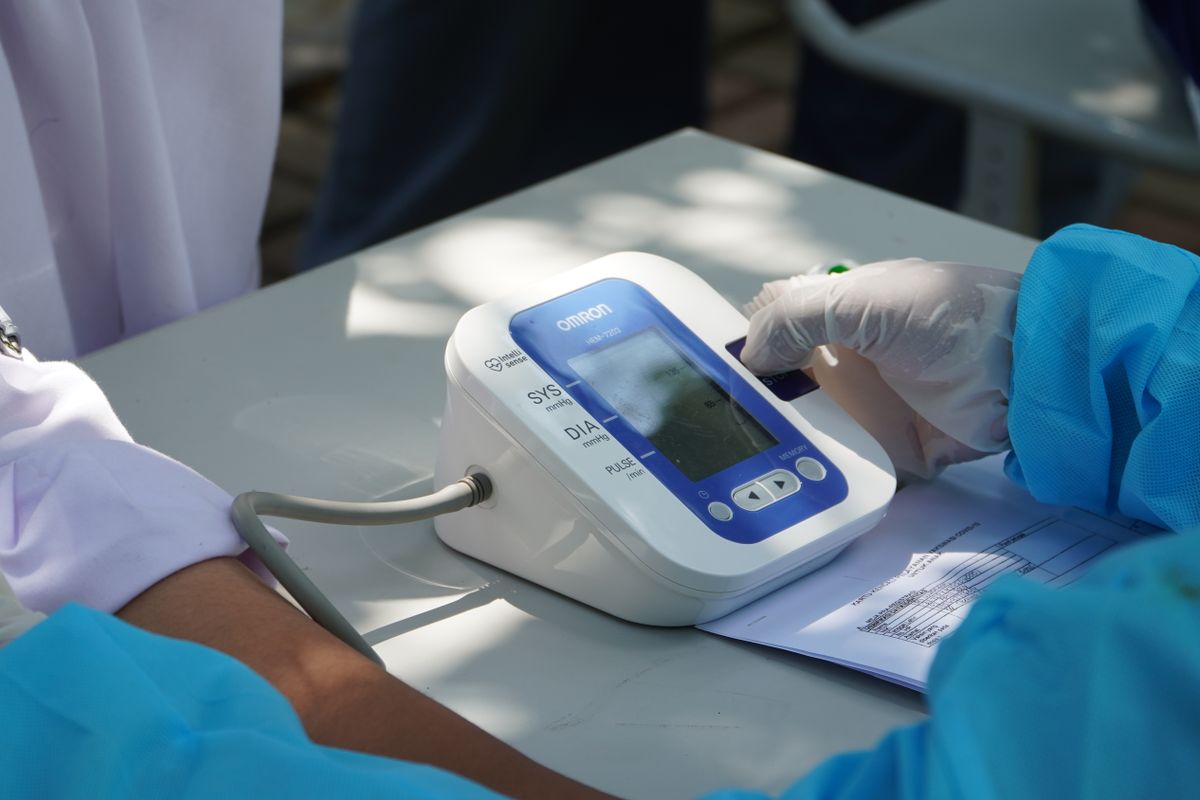
High blood pressure (hypertension) is a condition in which the pressure of the blood against the walls of the blood vessels is persistently higher than normal. A blood pressure reading consists of two numbers: the upper value (when the heart contracts) and the lower value (when the heart relaxes). When the pressure stays high for a long time, the heart has to work harder, and the blood vessels throughout the body gradually deteriorate.
Understanding the condition and its causes
Most patients with high blood pressure have a type with no clearly identifiable cause, which is related to genetics and lifestyle habits accumulated over many years. Common risk factors include:
- Regularly eating very salty, processed, and strongly flavoured foods
- Being overweight or obese, and a lack of exercise
- Smoking and regular alcohol consumption
- Accumulated stress and insufficient sleep
- Increasing age, and a family history of high blood pressure
Symptoms to watch for
The most dangerous aspect is that high blood pressure usually has no symptoms, so many people are unaware of it until it is detected or a complication occurs. Some may have mild symptoms such as a dull ache at the back of the head, dizziness, or light-headedness, which are non-specific. Measuring your blood pressure regularly is therefore the only way to know for certain.
- Measure your blood pressure regularly, because a "silent threat" rarely gives advance warning
- Rest for 5 minutes before measuring, do not talk, and measure at around the same time of day
- Record your readings so the doctor can track the trend accurately
Complications to be aware of
Uncontrolled high blood pressure gradually damages vital organs and can lead to serious disease. Complications to be aware of include:
- Heart — an enlarged heart, thickened heart muscle, reduced blood supply to the heart, and heart failure
- Brain blood vessels — an increased risk of partial paralysis and stroke
- Kidneys — chronic kidney deterioration, progressing to kidney failure
- Eyes — damage to the blood vessels of the retina, leading to worsening vision
The goal is to keep blood pressure within range
Good blood pressure control does not mean waiting until symptoms appear before taking medication. It means keeping your blood pressure consistently within the range set by your doctor, through both lifestyle changes and taking medication as prescribed, in order to slow long-term damage to the heart, brain and kidneys.
Prevention and self-care
Lifestyle changes genuinely help lower blood pressure and are an important foundation alongside medication. You can start with the following:
- Reduce salt, and avoid processed foods, pickled foods, and large amounts of fish sauce or soy sauce
- Exercise regularly, such as brisk walking, for at least 150 minutes per week
- Keep your weight within a healthy range, and eat more fruits and vegetables
- Quit smoking, cut down on alcohol, manage stress, and get enough sleep
- Take your medication continuously as prescribed by your doctor, and never stop on your own even if your pressure improves
Doctor Chat Clinic cares for patients with chronic conditions under a doctor's supervision, offering health checks, blood pressure measurement, and blood tests to assess heart and kidney risk, along with continuous follow-up, to help you control your blood pressure close to home.
Warning signs that require urgent medical care
- Very high blood pressure together with an unusually severe headache
- Chest tightness or pain, difficulty breathing, or severe palpitations
- Double vision or sudden blurred vision
- Weakness in an arm or leg on one side, a drooping mouth, or slurred speech
- If you have these symptoms, go to a hospital immediately — do not wait to see how they develop