
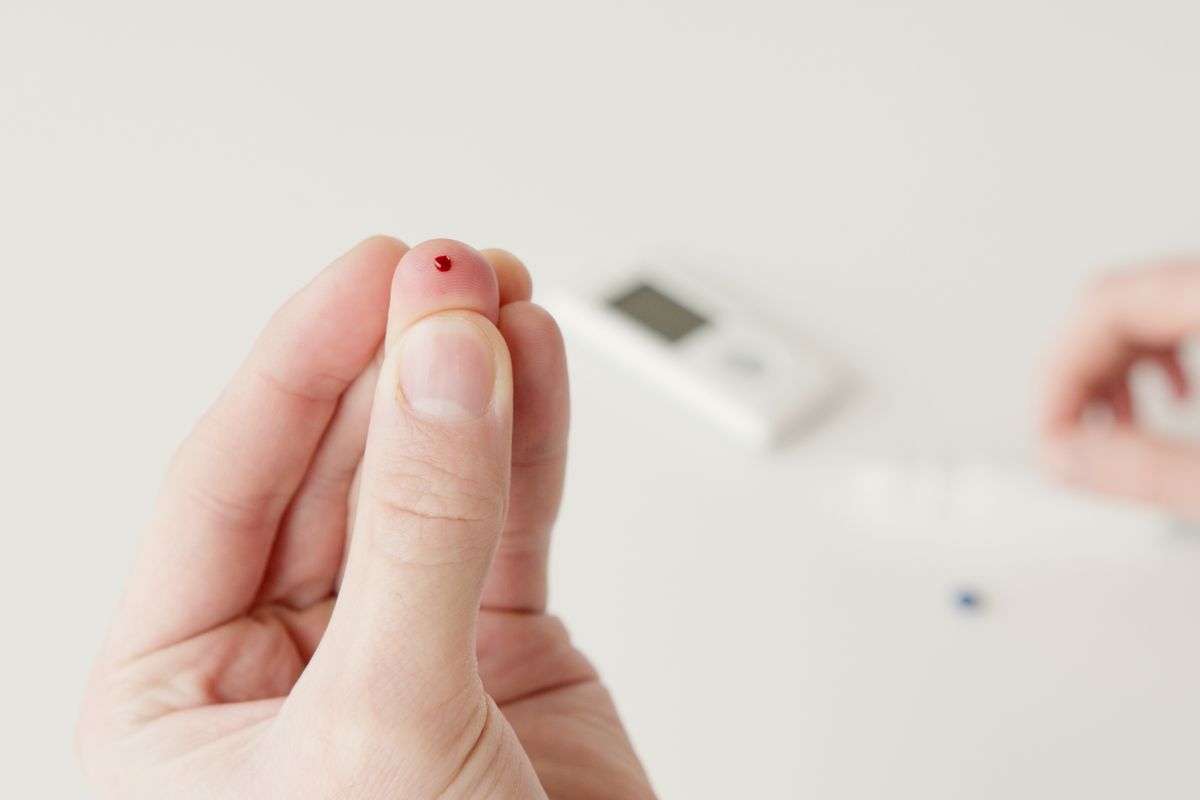
Diabetes happens when the body cannot control blood sugar levels well, leading to chronically high blood sugar. The danger is that in the early stages there are usually no clear symptoms. Many people have had diabetes for years without knowing, and by the time they find out it may already be affecting the eyes, kidneys, nerves, heart and blood vessels. Screening matters because it lets us know before it is too late.
How is diabetes screening done?
Screening is done with a simple blood draw. There are two commonly used methods, and your doctor may choose one or both together.
- Fasting plasma glucose (FPG) — a blood draw that measures your sugar level after fasting for about 8 hours, reflecting your blood sugar at that moment.
- Glycated haemoglobin (HbA1c) — measures your average blood sugar over the past 2–3 months. No fasting is needed, so it is convenient and gives a good overall picture.
What do the results tell us?
Results are grouped into broad categories so they are easy to understand: normal, meaning the body is still controlling sugar well; prediabetes, meaning sugar is starting to rise above normal but has not reached the diabetes threshold — a warning sign to adjust your habits promptly; and diabetes, meaning sugar is high enough to meet the diagnostic criteria. The actual threshold figures have details and exceptions, so a doctor should interpret the results and plan your care with you. You should not interpret the results on your own.
Prediabetes is a golden opportunity
If prediabetes is found, do not panic — this is a stage that can still be reversed. Many people return to normal by losing weight, cutting back on starch and sugar, and exercising regularly. It is the best moment to prevent the disease.
Who should be screened, and the risk groups
Everyone should be screened periodically as they get older, and the more of the following risk factors you have, the more you should be tested.
- Overweight or obese, especially central (abdominal) obesity
- Aged 35 or older
- A parent or sibling with diabetes
- High blood pressure or high blood lipids
- Physical inactivity, or a history of high blood sugar during pregnancy
At Doctor Chat Clinic, a doctor provides health checks, blood draws, ultrasound and electrocardiogram (EKG), helping you screen for diabetes and assess your risk of heart and blood-vessel disease all in one place, with appropriate advice on caring for yourself.
See a doctor if you have these symptoms
- Frequent urination, especially getting up to urinate several times at night
- Excessive thirst — no matter how much you drink, your mouth still feels dry
- Losing weight without trying
- Fatigue, tiring easily, slow-healing wounds, or blurred vision