
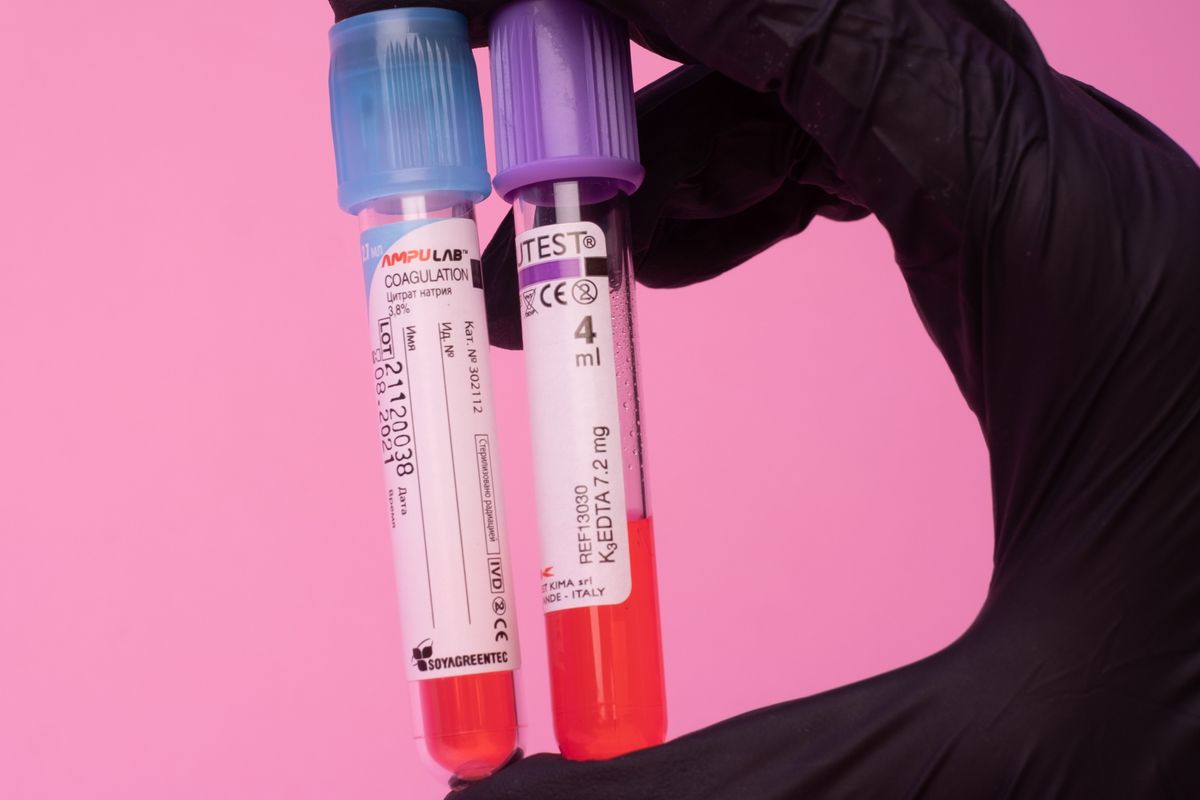
A blood test is one of the most informative ways to screen for and diagnose disease, because blood circulates throughout the body and reflects how the various organs are working. Drawing just a small amount of blood therefore allows the doctor to assess your overall health, detect abnormalities before symptoms appear, and monitor the treatment of chronic conditions accurately.
What can a blood test tell you?
There are many different blood tests, and the doctor will choose the ones that fit your symptoms, age and individual risk. The most common include:
- Complete blood count (CBC) — looks at red cells, white cells and platelets, helping to indicate anaemia, infection and blood disorders.
- Blood sugar — screens for and monitors diabetes.
- Blood lipids — cholesterol and triglycerides, to assess the risk of heart and vascular disease.
- Liver and kidney function — looks at liver enzymes and kidney filtration values, helping to detect problems in these vital organs.
- Uric acid — related to gout and arthritis.
- Infection — looks for signs of infection in the body.
How to prepare before a blood draw
Some tests, particularly blood sugar and lipids, usually require you to avoid food and drink (except plain water) for about 8–12 hours before the draw so the results are accurate. Tests such as the CBC mostly do not require fasting. Before the day of the test, get enough sleep, and tell the doctor if you are taking any regular medication.
- Ask the clinic in advance whether your tests require fasting.
- You may drink plain water as usual — it makes the draw easier.
- Tell the doctor about your regular medications and any drug allergies.
Who should have a blood test
People aged 35 and over, those who are overweight, those with a family history of diabetes, hypertension or high blood lipids, those who tire easily, look pale or have chronic fatigue, and anyone wanting an annual health check all benefit from a blood test. Testing helps detect abnormalities early and lets you plan your care before a condition progresses.
Blood test service at the clinic
Doctor Chat Clinic offers health checks, blood draws, ultrasound and electrocardiograms (EKG) performed by a doctor, including blood tests for infection and anaemia, along with advice on interpreting your results and on continued care.
Symptoms that warrant prompt medical attention
- Fatigue, pallor, tiring unusually easily, or frequent palpitations.
- Rapid unexplained weight loss, or unusual thirst and frequent urination.
- Persistent fever, yellowing of the skin or eyes, or swelling of the face/legs.
- Bleeding spots or bruises appearing on the body unusually easily.