
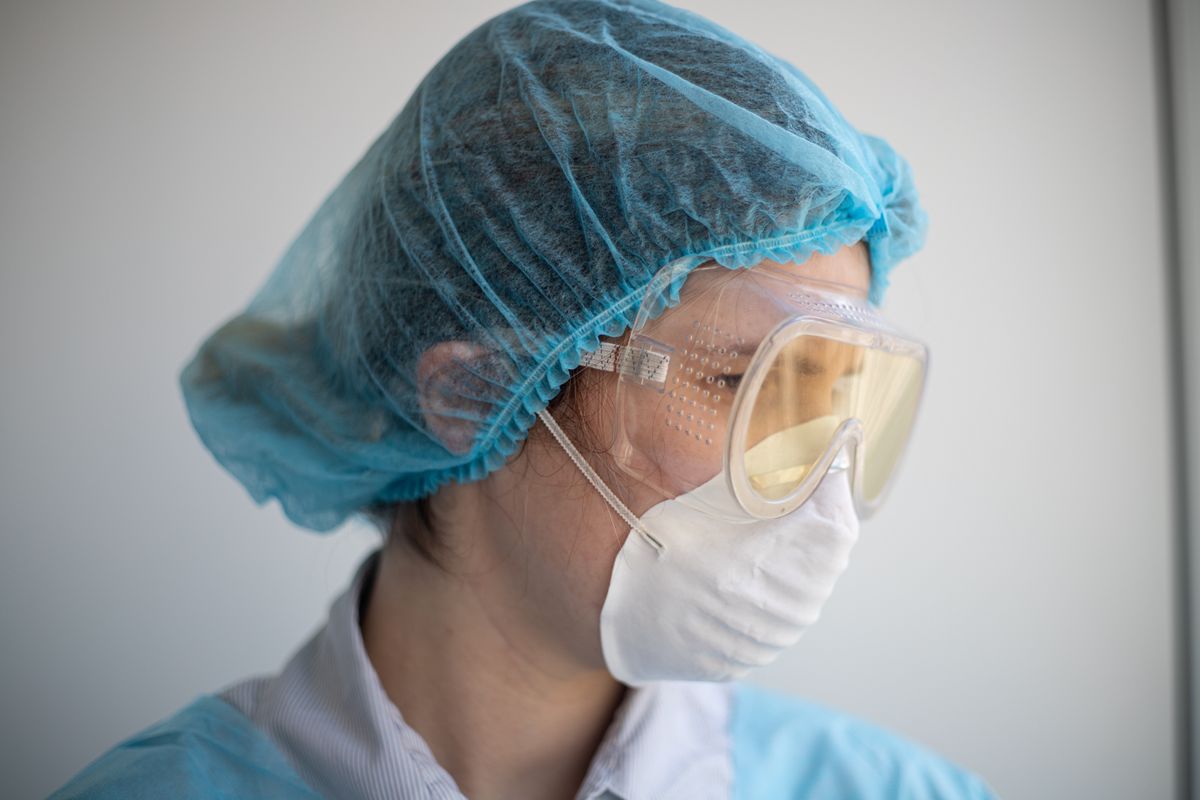
COVID-19 is caused by a novel coronavirus (SARS-CoV-2). It spreads easily through respiratory droplets from coughing, sneezing and talking, and through close contact. Although the situation has eased a great deal, the virus is still circulating and mutates from time to time. Knowing how to care for yourself and prevent infection is therefore still important — especially to protect the people close to you who are in high-risk groups.
Understanding the disease and its cause
The coronavirus enters the body through the respiratory tract. The incubation period is usually around 2–14 days. An infected person can spread the virus to others even before symptoms appear or when symptoms are very mild, which allows it to spread quickly in crowded, poorly ventilated places.
Symptoms
The symptoms of COVID-19 vary widely, from none at all to severe. Common symptoms include:
- Fever, cough, sore throat, runny or blocked nose
- Headache, body aches, fatigue
- Loss of smell or taste (in some people)
- Some people have no symptoms at all but can still spread the virus
The groups at risk of severe illness are the elderly and people with underlying conditions such as diabetes, lung disease, heart disease, kidney disease, obesity, those with a weakened immune system, and pregnant women. These people should monitor their symptoms closely and consult a doctor early.
Caring for yourself
People with mild illness who are not in a high-risk group can manage their symptoms at home. The key points are to rest, drink enough fluids, isolate to avoid spreading the infection, and keep watching your own symptoms.
- Rest well, drink plenty of fluids, and take fever-reducing or symptom-relief medicine as needed
- Isolate from others, wear a mask, keep your personal items separate, and stay in a well-ventilated room
- Monitor your symptoms; if you have a fingertip oximeter, check your oxygen level from time to time
High-risk groups should consult a doctor early
If you are elderly, have an underlying condition, or have a weakened immune system and test positive, you should consult a doctor as soon as symptoms begin. Receiving appropriate care and medicine in the early stage helps reduce the risk of severe illness.
Prevention
Preventing COVID-19 follows the same principles as other respiratory diseases: wear a mask in crowded places or when close to high-risk groups, wash your hands often with soap or alcohol gel, keep your distance during outbreaks, and stay in well-ventilated spaces. Vaccination also helps reduce the severity of the disease and lower the chance of hospitalisation, especially in high-risk groups.
At Doctor Chat Clinic, a doctor examines and treats COVID-19 and respiratory infections, with blood testing to check for infection when necessary, and preventive vaccines available. If you have symptoms or suspect you are infected and are not sure how to care for yourself, you can consult us.
Warning signs that need a doctor urgently
- Shortness of breath, difficulty breathing, or abnormally fast breathing
- Fingertip oxygen level below 94% or steadily dropping
- Chest pain or tightness, bluish lips or nails
- Drowsiness, difficulty waking, confusion, or a rapid overall decline