
Blood lipids are something the body needs to build cells and hormones, but if there is too much — especially the bad type of cholesterol — it gradually accumulates on the artery walls, narrowing the arteries and increasing the risk of heart disease, coronary artery disease, and stroke. What is worrying is that this condition often gives no warning symptoms, so many people are unaware until a problem has already occurred.
Get to know each type of blood lipid
When you have a blood test, the result separates lipids into several values. There are three main ones to understand.
- LDL (the "bad" cholesterol) — the higher it is, the greater the risk, because it is the one that builds up on the artery walls. The goal is to keep it low.
- HDL (the "good" cholesterol) — it helps carry excess fat out of the arteries. The higher, the better.
- Triglycerides — another type of fat that can rise from sweet foods, starch, alcohol, and excess weight. If it is very high, it increases risk too.
How the test is done and how to prepare
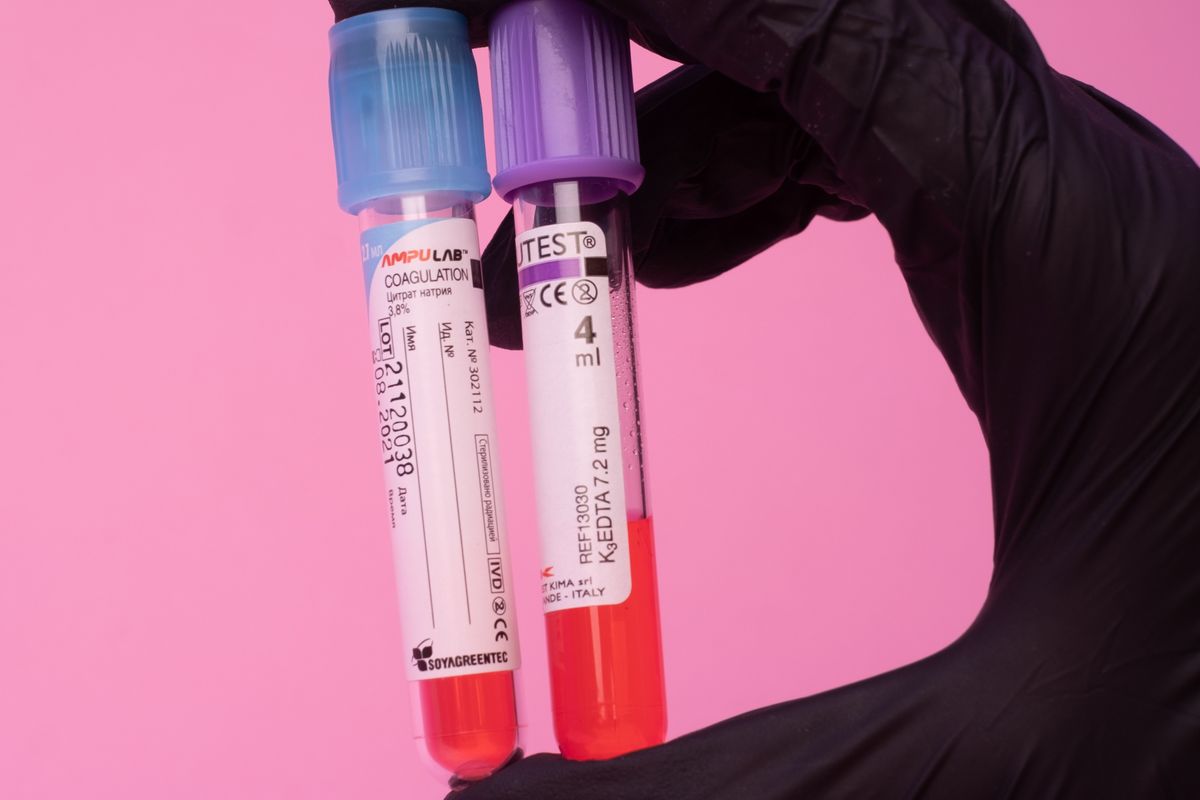
A blood lipid test is done with just a small blood draw. In general, you are advised to fast from food and calorie-containing drinks for about 9–12 hours before the blood draw (you may drink plain water) so that the triglyceride value is accurate. In some cases the doctor may allow testing without fasting, so you should ask before booking your appointment.
The numbers must be viewed as a whole
Risk assessment does not look at the LDL value alone, but together with age, blood pressure, diabetes, smoking, and family history. So you should let the doctor interpret the results and set a target that is right for you.
Who should be tested, and how to take care
People aged 35 and over, those who are overweight, have diabetes or high blood pressure, smoke, or have a family history of early heart disease, should have their blood lipids checked periodically. Once you know your values, care starts mainly with lifestyle changes, with medication used when necessary on a doctor's advice.
- Cut down on fried foods, oily foods, bakery items, and trans fats
- Increase vegetables, fruit, whole grains, and fish
- Exercise regularly — it helps lower LDL and raise HDL
- Quit smoking, control your weight, and limit alcohol
- Take lipid-lowering medication as prescribed when necessary, and follow up as scheduled
At Doctor Chat Clinic we offer health check-ups, blood draws, ultrasound, and electrocardiogram (EKG) services given by a doctor, to check your blood lipids and assess cardiovascular risk thoroughly, with recommendations on care that is right for you.
Signs that you must see a doctor urgently
- Chest tightness, especially on exertion, that improves with rest
- Unusual tiredness, palpitations, or breathlessness
- One-sided weakness of the arm or leg, a drooping mouth, or slurred speech (signs of stroke — call emergency services immediately)