
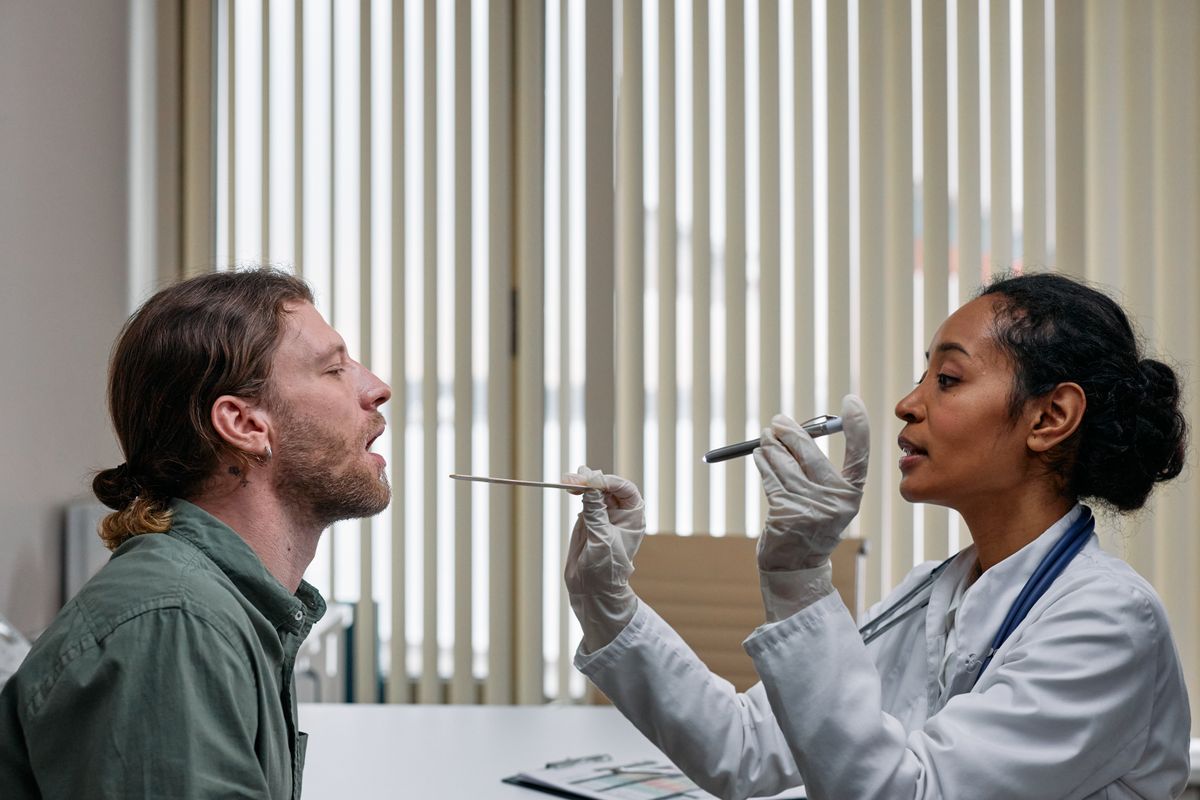
"Cancer screening" means testing for abnormalities in people who are still healthy and have no symptoms. The aim is to detect cancer or pre-cancerous lesions at the very earliest stage, when treatment is effective and the chance of a cure is high. Waiting until symptoms appear before being tested can sometimes mean the disease has already advanced.
Common cancer screening tests
Each cancer has a different screening method. The most common and widely recommended include:
- Cervical cancer — screened with a Pap smear or an HPV test, a form of screening that has greatly reduced the incidence of the disease.
- Breast cancer — starts with regular breast self-examination and a mammogram according to your doctor's advice for your age.
- Colorectal cancer — a faecal occult blood test or colonoscopy, helping to find polyps before they become cancerous.
- Liver cancer — in higher-risk groups, such as people with chronic viral hepatitis or cirrhosis, screened with a liver ultrasound together with periodic blood tests.
At Doctor Chat Clinic we offer health checks, blood draws, ultrasound and electrocardiograms (EKG) performed by a doctor, along with advice on cancer screening appropriate to your sex, age and risk, and referral for specialist testing when needed.
Vaccines can lower your cancer risk
Some cancers are caused by infections, so vaccination helps prevent them at the source. The HPV vaccine lowers the risk of cervical cancer and other HPV-related cancers, while the hepatitis B vaccine lowers the risk of liver cancer arising from chronic infection.
Who should be screened, and when
Appropriate screening depends on a person's sex, age and risk factors. People with any of the following should consult a doctor to plan suitable screening:
- A family history of cancer.
- Regular smoking or alcohol use.
- Chronic hepatitis B or C infection.
- Women at an age when cervical and breast screening is recommended.
- Increasing age, especially middle age and beyond.
Warning signs that warrant a doctor
- Feeling an abnormal lump, for example in the breast, neck or under the skin.
- Abnormal bleeding, such as blood in the stool or urine, or abnormal vaginal bleeding.
- Significant unexplained weight loss, loss of appetite, or chronic fatigue.
- A sore that does not heal, a mole or birthmark that changes shape or colour, or a persistent cough or hoarse voice.