
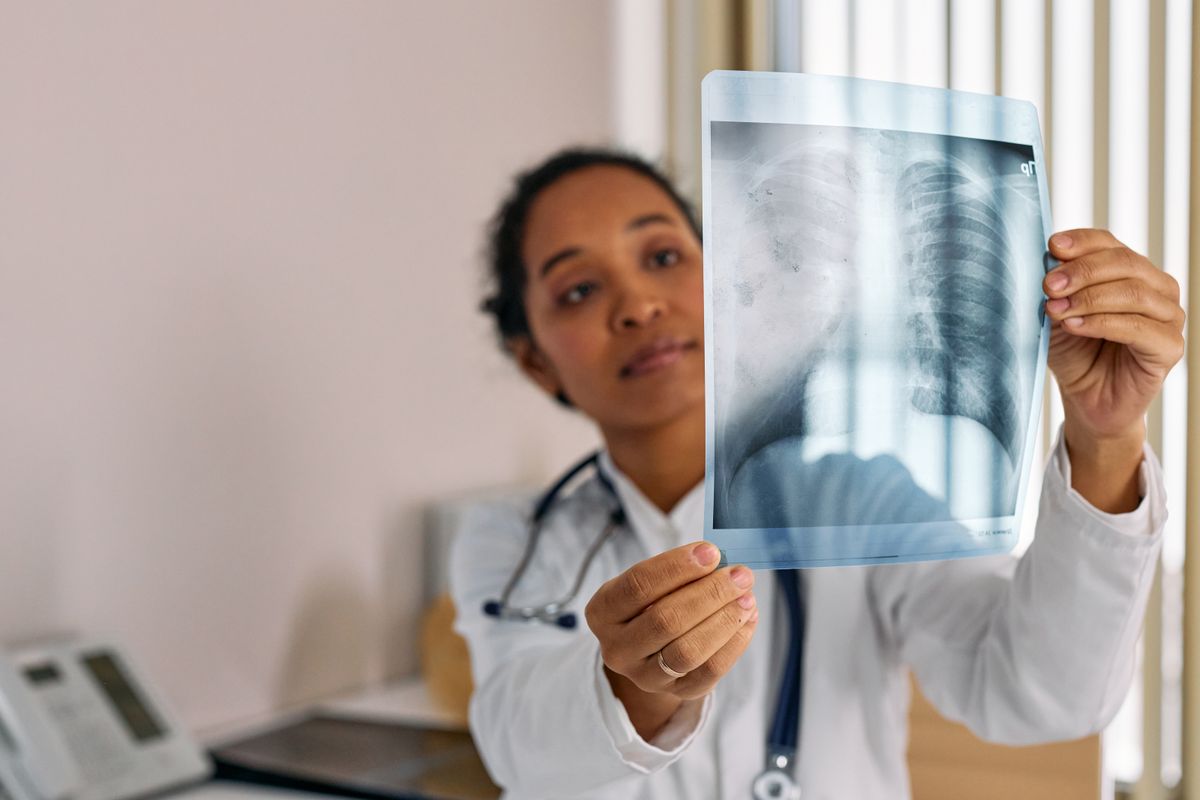
Tuberculosis (TB) is caused by a bacterium called Mycobacterium tuberculosis. It mostly causes disease in the lungs, but it can also spread to other organs, such as the lymph nodes, bones, or the membranes around the brain. TB is still found in Thailand, but with the effective medication available today, most patients can be fully cured if they receive correct and continuous treatment.
Understanding the disease and how it spreads
Pulmonary TB spreads "through the air". When an infectious patient coughs, sneezes or talks, droplets carrying the bacteria spread into the air. People who are in close contact in a poorly ventilated room for a long time are therefore at risk of breathing the bacteria into their lungs. However, TB is not as easily caught as a common cold. Touching objects, shaking hands, or sharing dishes does not cause infection.
Many people who breathe in the bacteria do not fall ill immediately, because their immune system keeps the bacteria under control — this is called "latent TB", which has no symptoms and is not infectious. But when the body becomes weaker — for example from too little rest, diabetes, or a weakened immune system — the bacteria may reactivate into active, symptomatic TB.
Symptoms to watch for
The symptoms of pulmonary TB usually develop gradually, which leads many people to ignore them. The key symptoms to pay attention to include:
- A chronic cough lasting more than 2 weeks, which may be dry or produce phlegm
- Coughing up blood, or blood mixed in the phlegm
- A low-grade fever, especially in the afternoon to evening
- Heavy night sweats that soak your clothes or bedding
- Unexplained weight loss, loss of appetite, and fatigue
- A chronic cough lasting more than 2 weeks is an important warning sign to get checked
- It can be diagnosed with a chest X-ray and a sputum test for the bacteria
- Taking the medication completely and continuously is the key to a full cure
Diagnosis and treatment
A doctor diagnoses pulmonary TB from the history, the symptoms, a chest X-ray, and a sputum test to find the bacteria directly. In some cases, further tests may be done to confirm the diagnosis and assess drug resistance. Once TB is confirmed, the main treatment is the combined use of several anti-TB drugs, continuously for at least 6 months or more.
The heart of treatment is "taking the medication completely and regularly". Even if the symptoms improve within the first few weeks, you must not stop the medication on your own, because the remaining bacteria will come back and may become drug-resistant — which is much harder and takes far longer to treat.
Prevention really is possible
Cover your mouth and nose when coughing or sneezing, open windows to ventilate your home and workplace, keep yourself healthy, and get enough rest. If you have been in close contact with a TB patient, you should be screened by a doctor. The BCG vaccine, given in infancy, helps reduce the severity of TB in children.
Warning signs that need urgent medical care
If you have a chronic cough lasting more than 2 weeks, or you cough up blood — especially together with a low fever in the evening, night sweats, and weight loss — you should see a doctor promptly to be checked for TB. The earlier it is found, the easier it is to treat and the less it spreads to those you love.
At Doctor Chat Clinic, we provide examination and treatment by a doctor, along with blood tests for infection and an initial assessment of symptoms, to help with screening and to advise on the care that is right for you and your family.