
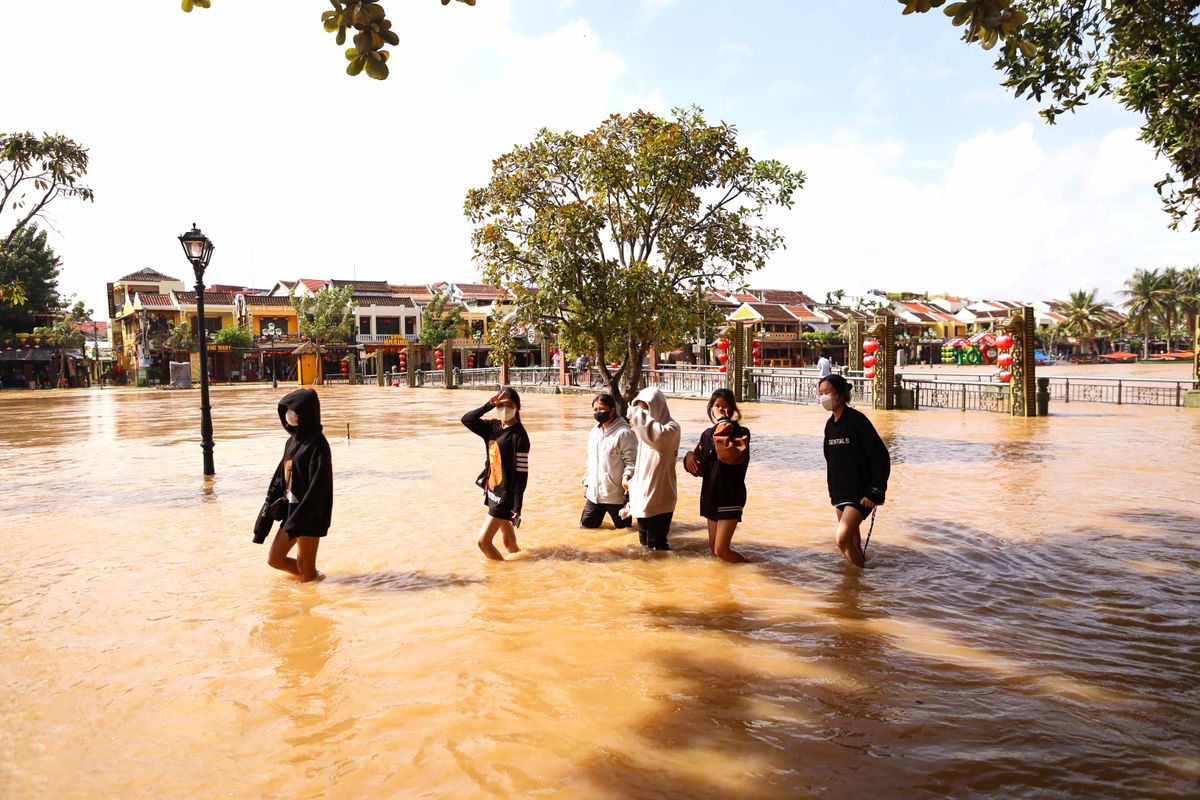
Leptospirosis, or "rat urine disease," is an infection caused by bacteria of the Leptospira group, which is found more often during the rainy season and floods. The illness can range from mild, cold-like symptoms to severe disease causing liver and kidney failure that can be life-threatening. Recognising it and seeking treatment early is therefore very important.
Understanding the disease and how it spreads
Leptospira bacteria live in the kidneys of many animals, such as rats, cattle, buffalo and dogs, and are excreted in the "urine" of these animals, contaminating standing water, mud, or damp soil. When a person wades through the water or touches contaminated soil, the bacteria enter the body through wounds, grazes, or soft mucous membranes such as the eyes, nose and mouth.
Those at high risk include farmers working in rice fields and farms, people whose work involves contact with water and mud, and the general public who must wade through floodwater during the rainy season. Prolonged contact with standing water, or having wounds on the feet, further increases the chance of infection.
Symptoms to watch for
Symptoms usually begin within 2 weeks of exposure and come on suddenly. The most prominent include:
- Sudden high fever with chills
- Severe muscle pain, especially in the "calves" and thighs, making walking difficult
- Red eyes, with little or no discharge
- Severe headache and fatigue
- Some people may have nausea, vomiting, or yellowing of the skin and eyes
- A high fever together with severe calf pain after wading through water is a key sign of leptospirosis
- Wearing rubber boots and avoiding wading through standing water greatly reduces the risk
- See a doctor early — treatment with antibiotics works well and reduces complications
Treatment
Leptospirosis can be treated with antibiotics as prescribed by a doctor. If treatment is started early, while the symptoms are still mild, recovery is usually good and the risk of complications such as liver failure, kidney failure or bleeding is reduced. The key point is not to buy and take medicine on your own; if you have suspicious symptoms after wading through water, see a doctor promptly and tell them about your contact with the water, so they can diagnose it precisely and treat it in time.
Prevention — before you wade in
Wear rubber boots and gloves when you have to work in water or mud, and avoid wading through standing water unnecessarily. If you have a wound on your foot or leg, cover it securely and avoid contact with water. And every time after wading through water, wash your body and feet promptly with clean water and soap, and dry yourself immediately.
Signs that require prompt medical care
If you have a high fever after wading through water or floods, together with severe muscle pain, especially in the calves, or yellowing of the skin and eyes and reduced urine output, see a doctor promptly, because leptospirosis can become severe enough to cause liver and kidney failure and be life-threatening. Early treatment greatly improves the outcome.
At Doctor Chat Clinic, we examine and treat patients under a doctor's care, with blood tests for infection and symptom assessment, to help diagnose and properly manage the diseases that come with the rainy season in a timely manner.