
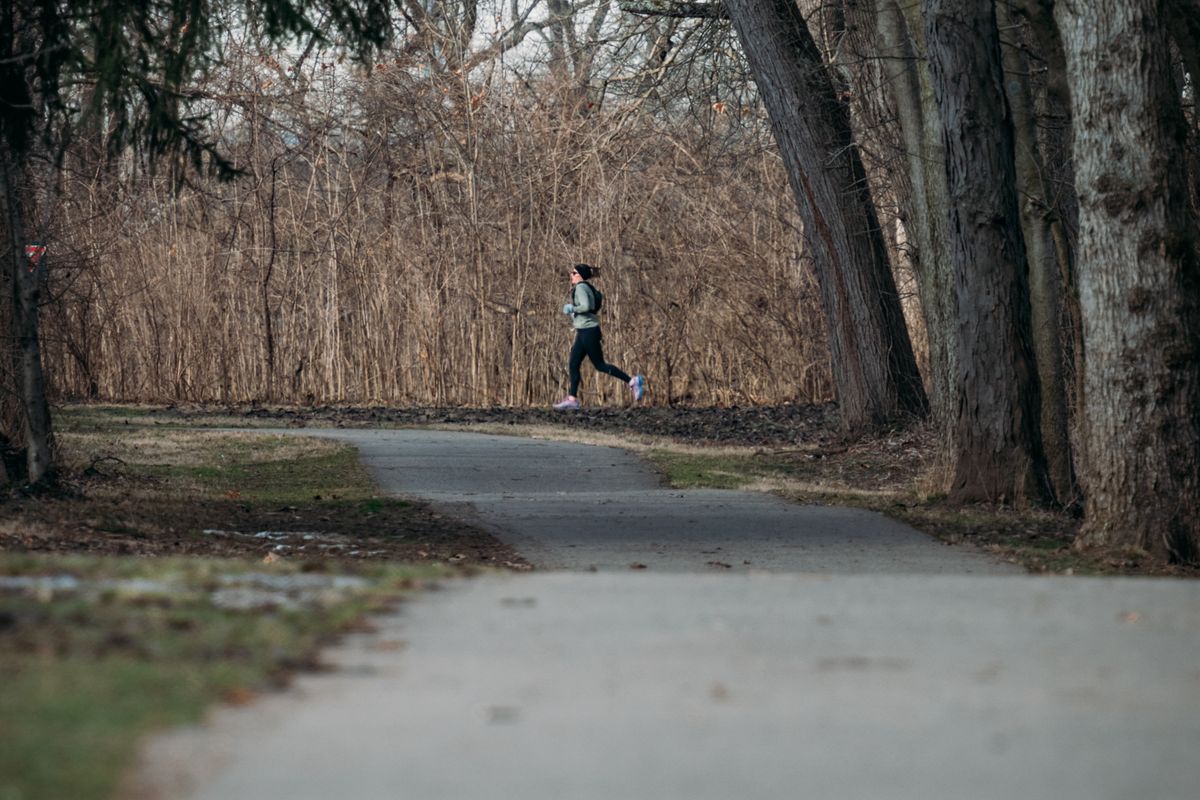
Many people think exercise has to be intense, has to mean going to the gym, or has to take a lot of time. In reality, simply moving your body regularly at a suitable level brings enormous benefits. What matters is not overdoing it in a single day, but keeping at it consistently until it becomes part of daily life.
The benefits of exercise
Regular physical activity benefits almost every system in the body, both physical and mental. It is like a medicine you don't have to pay for, yet it really works.
- Lowers the risk of diabetes, high blood pressure and heart disease
- Helps with weight control, burns energy, and strengthens muscles and bones
- Lifts your mood and reduces stress and anxiety
- Helps you sleep more deeply and with better quality
How much should you exercise
The general recommendation for adults is at least 150 minutes a week of moderate-intensity aerobic exercise, such as brisk walking, cycling or swimming. "Moderate" means breathing faster but still being able to talk in full sentences. In addition, you should do muscle-strengthening (resistance) training at least 2 days a week, to maintain muscle mass and strength.
How to start in a way that lasts
The key to getting started is to "start small" and then gradually build up, so your body can adapt and your risk of injury is lower. Setting realistic goals helps you avoid discouragement and keep going for the long term.
- Start small, for example walking 10–15 minutes a day, then gradually increase the time and intensity
- Always warm up beforehand, and stretch afterwards to reduce injury
- Choose activities you enjoy, such as dancing or cycling, or invite a friend along — you'll keep it up longer
- Aim for consistency rather than overexertion — focus on "doing it often" rather than "doing it hard once"
Tips for building a love of exercise
Set a fixed time each day as if it were an important appointment, keep a record of your progress to stay motivated, and give yourself small rewards when you reach your goals. If you miss a session, that's fine — you can always start again the next day. Long-term consistency matters more than perfection.
In addition, an annual health check at Doctor Chat Clinic helps you keep track of the health of your heart, blood pressure and blood sugar, so you can plan your exercise in a way that is appropriate and safe for your own body — especially if you haven't exercised in a long time or have an underlying condition.
Consult a doctor first, and stop if you notice warning signs
People with heart disease, high blood pressure or other underlying conditions should consult a doctor before starting vigorous exercise. And if you have chest tightness, unusual breathlessness, palpitations, dizziness or light-headedness while exercising, stop immediately and see a doctor promptly.