
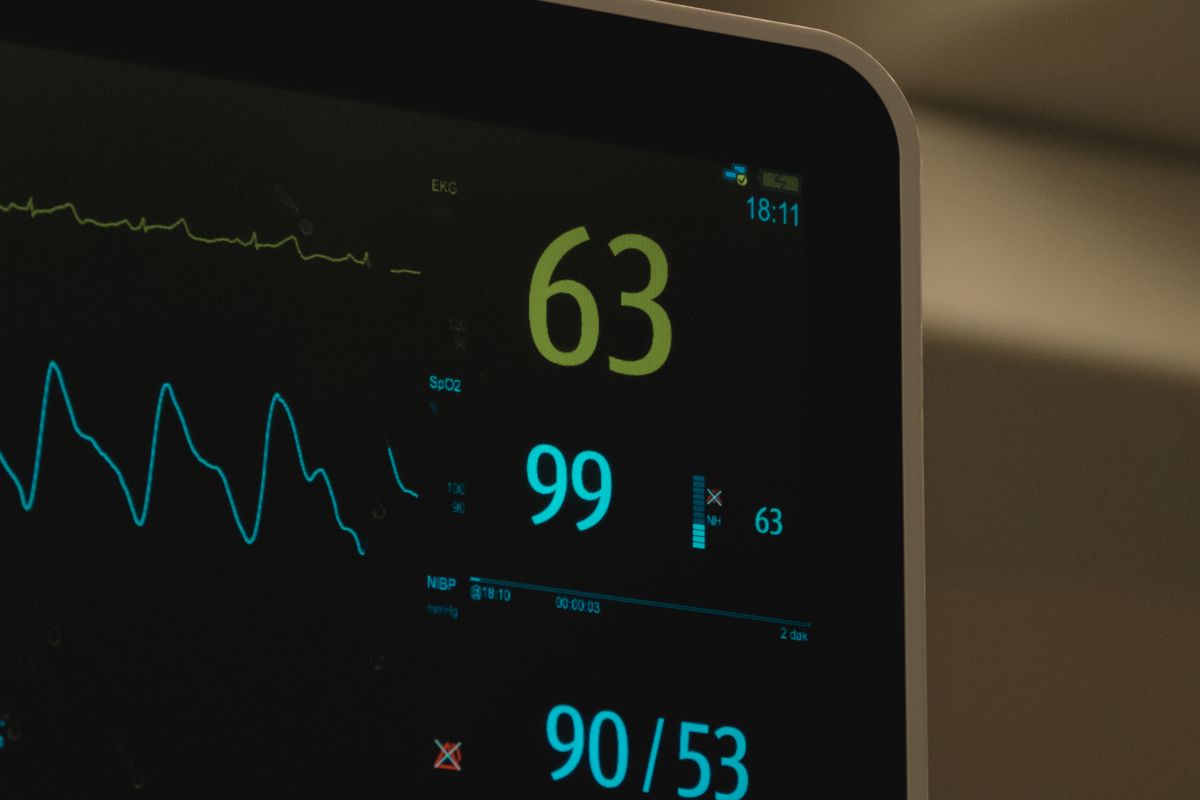
Our heart beats because small electrical currents travel through the heart muscle in a regular rhythm. An electrocardiogram (EKG or ECG) records these electrical signals as a line on a graph, so the doctor can assess whether the heart is beating normally. It is one of the most widely used basic heart tests.
What is an EKG and how does it work
An EKG works by attaching small electrodes to the skin on the chest, arms and legs. These electrodes pick up the heart's electrical signals and send them to a machine that records them as a graph. The test takes only a few minutes and is painless, and no electrical current is passed into the body — you simply lie still while the machine records the signals.
What can an EKG detect
An electrocardiogram helps the doctor see a number of abnormalities, in particular:
- Abnormal heart rhythm — beating too fast, too slow, or irregularly
- Reduced blood flow to the heart muscle — signs of narrowed or blocked coronary arteries
- An enlarged heart — thickened heart muscle or abnormally enlarged heart chambers
- Easy to do, takes only a few minutes, painless and risk-free
- Helps screen for heart rhythm problems and reduced blood flow to the heart muscle
- Suitable as part of a health check for people at risk
When should you have an EKG, and who should be tested
You should have an EKG when you have symptoms that may be related to the heart, such as chest tightness, palpitations, easy fatigue or fainting, or as part of a health check for people at risk of heart disease — those with high blood pressure, diabetes, high blood cholesterol, who smoke, are overweight, or have a family history of heart disease.
Heart testing at the clinic
Doctor Chat Clinic offers health checks, blood tests, ultrasound and electrocardiogram (EKG) performed by a doctor, who assesses your symptoms, interprets the results and gives appropriate advice on caring for your heart health.
Severe chest tightness — go to hospital immediately
- Severe chest tightness, or pain radiating to the arm, neck, jaw or shoulder blade
- Cold sweats, palpitations, shortness of breath or nausea at the same time
- Dizziness, fainting, or feeling about to pass out
These symptoms may indicate an acute heart attack (acute coronary syndrome). Go to the nearest hospital immediately, or call an ambulance on 1669.