
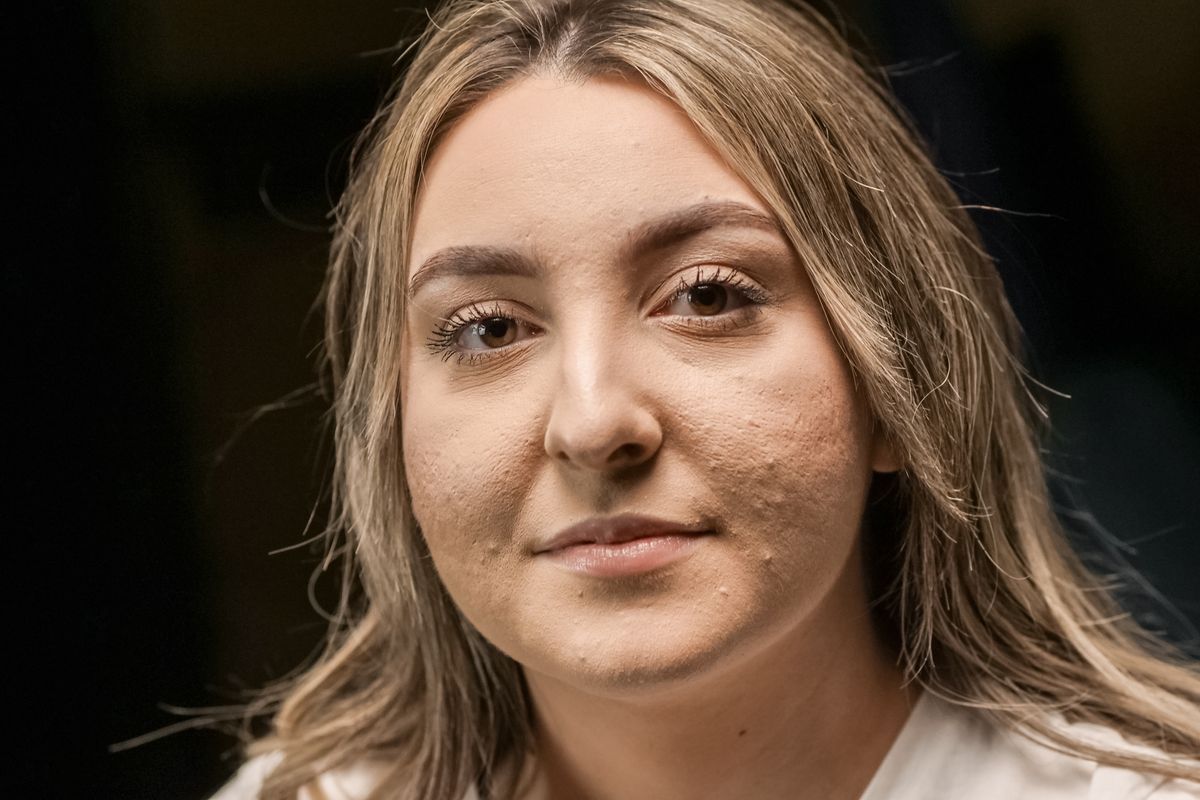
Acne is a condition in which the hair follicles (pores) become clogged and inflamed, most commonly on the face, chest and back. Although it is not a serious disease, if left untreated or cared for incorrectly it can leave dark marks and scars that are hard to treat, and it can affect your confidence in daily life.
What causes acne
Acne arises from several factors working together. When a pore becomes clogged with dead skin cells and oil (sebum) that the sebaceous glands produce in excess, bacteria on the skin multiply and inflammation follows. Common triggers include:
- Hormonal changes — for example during the teenage years, around menstruation, or with hormonal imbalance
- Oily skin and excess oil production, which clogs pores easily
- Cosmetics or products that clog pores, and not cleansing the face thoroughly
- Stress, insufficient rest, and genetics
Types of acne
Identifying the type of acne helps you choose care and treatment that target the problem more precisely. In general it falls into two main groups.
- Comedonal acne — whiteheads and blackheads, caused by clogged pores without much inflammation
- Inflammatory acne — red, swollen, tender bumps with pus, caused by inflammation and bacterial infection
- Nodular or cystic acne — large inflamed lumps under the skin, with the highest risk of scarring
Caring for your skin when you have acne
Correct basic care reduces new breakouts and helps the skin recover faster.
- Cleanse your face gently twice a day with a mild product, without scrubbing hard
- Do not squeeze, pick or press pimples yourself, as this worsens inflammation and causes scarring
- Avoid cosmetics and creams that clog pores; choose products labelled "non-comedogenic"
- Apply sunscreen daily to prevent post-acne dark marks from darkening, and avoid touching your face frequently
Treating acne with medication
Acne that does not improve with general care can be treated with topical or oral medication prescribed by a doctor — for example topical agents that reduce clogging and inflammation, or oral medication in more severe cases. Use the medication consistently as advised and do not buy and use medication on your own, especially oral medication, because it may have side effects that need to be supervised by a doctor.
Preventing acne from flaring up
Even after acne improves, consistent skincare reduces the chance of it coming back. Cleansing your skin regularly, avoiding touching and squeezing pimples, getting enough rest, managing stress, and choosing products suited to your skin type will help keep your skin healthy and reduce breakouts.
When to see a doctor
- Severe inflammatory acne that is swollen, red, tender, or has a lot of pus
- Nodular or cystic acne forming large lumps under the skin
- Acne that leaves pitted scars, or dark marks that do not fade
- Acne that does not improve with self-care and treatment, or that affects your confidence and daily life
At Doctor Chat Clinic, we examine and treat skin conditions, including acne, with a doctor who assesses the type and severity of your acne to plan treatment suited to each person's skin, and who advises you on how to care for your skin correctly.